
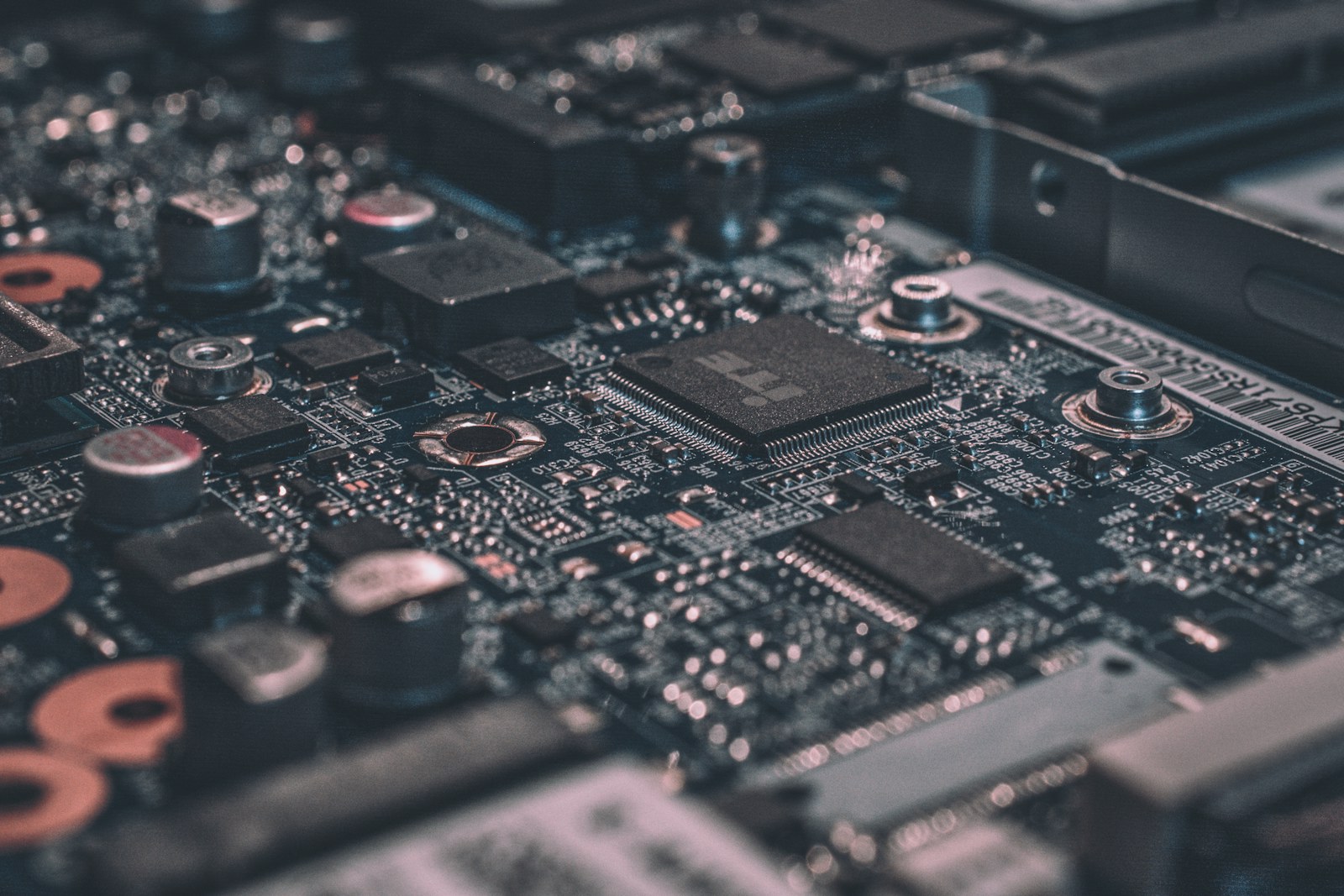
Running a model on your own computer sounds like a one-time installation. In practice, it is closer to maintaining a small piece of infrastructure. The decision should not begin with a model ranking or a graphics-card recommendation. It should begin with a repeated task, a clear reason that the task belongs on your device, and a realistic account of the time required to keep the system working. Three costs matter most: the cost of sufficient hardware, the cost of operating and maintaining the setup, and the cost of accepting a smaller or less capable model than a hosted service can provide.
The problem: local does not mean free
A cloud service bundles inference hardware, updates, availability, and troubleshooting into a subscription or usage fee. A local setup separates those costs and makes many of them less visible. Storage is consumed by model files and multiple quantized variants. Electricity use increases during long inference sessions. Drivers, runtimes, and model launchers occasionally break after updates. The hours spent diagnosing those problems have a value even when no invoice arrives.
There is also a difference between a model that loads and a model that supports useful work. A model may fit in memory but slow sharply when the context grows. A more aggressive quantization may run comfortably while losing reliability on the exact classification or extraction task you care about. Published benchmark numbers rarely include your document format, prompt, language mix, or tolerance for delay. For that reason, hardware should be evaluated against a test set rather than against an abstract claim that a device is “AI ready.”
Where local models make sense
Local inference is most compelling when the task is frequent, the input should not be sent to a general third-party service, and the current device already reaches an acceptable speed. Useful examples include tagging a private research archive, drafting fixed-format notes from internal documents, transcribing recordings in an offline location, or building a read-only search layer over material that cannot be placed in a consumer account. In each case, the work repeats often enough to justify setup and testing.
Local is usually less attractive for occasional general questions, live web research, seamless cross-device use, or work that needs the strongest available multimodal model. It is also wrong to equate local with automatically secure. Disk encryption, operating-system accounts, model-source integrity, backups, and physical access still matter. If several people use the same machine, a locally stored prompt history may expose more information than a well-administered enterprise service would. The correct comparison is between complete operating models, not between the words “cloud” and “local.”
Applied workflow: classifying interview transcripts
For a recurring interview-classification task, begin with transcripts that have already been coded by a qualified person and remove identifiers not needed for the test. Give each candidate model the same label definitions and output format. Record whether it follows the taxonomy, misses negation, invents themes, quotes the right passage, and completes the job within the allowed time. A fluent summary receives no credit if its evidence cannot be located in the transcript.
After selecting a model, freeze the model version, quantization, prompt, and runtime settings. Let the model propose themes and supporting passages while a person remains responsible for interpreting what a participant meant. Send a defined sample for second review, and add recurring errors to the test set. This workflow turns a preference for privacy into a measurable process. It also exposes when the local model is not good enough, which is useful information before anyone buys a new computer.
A practical evaluation sequence
Start by writing down the weekly number of runs, typical input length, maximum acceptable wait, required output, and consequence of an error. Classify the input as public, internal, sensitive, or prohibited. Decide which categories may be processed by each available tool. Next, collect ten to twenty real examples, including awkward cases, long files, tables, and inputs containing negatives or dates. Run them on the hardware you already own before considering an upgrade.
Measure wall-clock time, memory use, output accuracy, and the amount of human correction. Keep failed examples; an average score can hide a dangerous pattern around numbers or exceptions. Estimate the annual cost of the local system by including hardware depreciation, extra storage, electricity, and maintenance time. Compare that number with a suitable hosted plan and with the option of doing the task manually. Finally, document how to update or roll back the model, where files are stored, and who reviews output. A setup that only one enthusiastic person can repair is a fragile production system.
Risks, limits, and a testable conclusion
Local processing removes one path by which data could leave the device, but it does not remove software-supply-chain risk, malicious model files, excessive permissions, theft, or accidental backups to a consumer cloud folder. Generated output can still be false, biased, or overly confident. Licensing terms may restrict how a model or its output can be used. A local retrieval system can also reveal passages to people who were never authorized to read the underlying documents.
The decision can be stated as a testable conclusion: a local model is likely to create net value when the task is frequent, the input is meaningfully sensitive, the existing machine meets a measured service level, and a named person can maintain and review the workflow. If one of those conditions is absent, begin with a smaller pilot rather than a hardware purchase. Re-run the same test set after every material model or runtime update. The goal is not to own an impressive model; it is to operate a reliable tool whose costs and failure modes are visible.
REFERENCES
Sources and further reading
External links support verification and further reading; they do not endorse every statement at the destination. Accessed September 2026.